Through the Fading Darkness Discussion Guide
Zac Northup
READ TIME:6min
A Handy List of Questions for Book Clubs and Classrooms
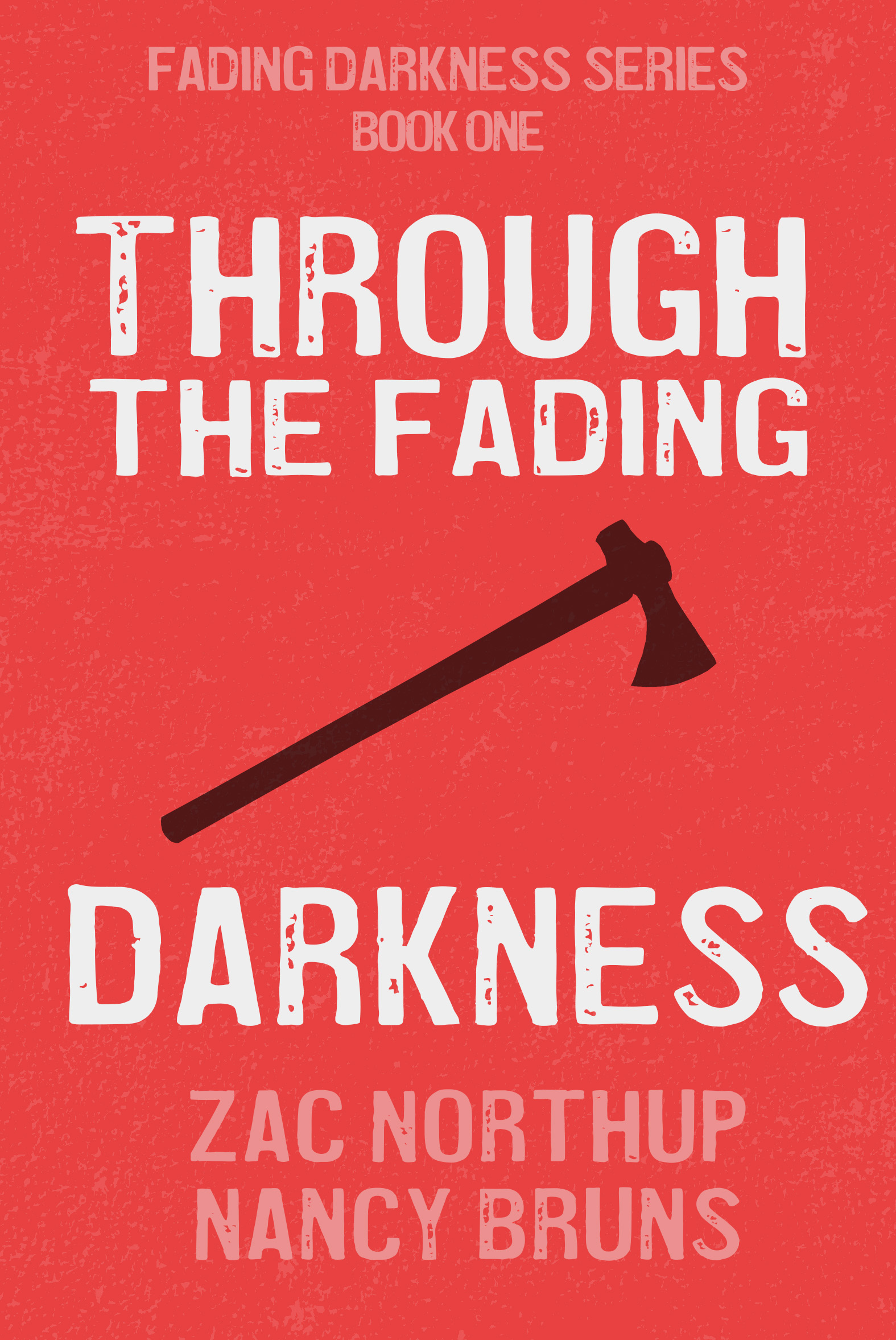
Book Club Discussion Guide: Through the Fading Darkness
This guide is designed to enrich your book club’s discussion of Through the Fading Darkness.
About the Book
Through the Fading Darkness is a work of historical fiction by Zac Northup and Nancy Bruns. The story is set on the Virginia frontier in 1774 and follows the lives of colonists and Native Americans as tensions escalate into war. The book explores themes of love, loss, revenge, and the complexities of human nature in a brutal world. While a work of fiction, many of the major characters and events are based on real historical figures and occurrences, such as Dunmore’s War, the Battle of Point Pleasant, and Logan’s Revenge.
Discussion Questions
Questions About Characters
(p. 7-10) Logan, a Shawnee warrior, has a complex past. He initially believes that everything he touches is “destroyed or damaged”1. Why does he ultimately choose a path of revenge after the murder of his family? How does his final decision reflect or contradict his earlier philosophy?
(p. 17, 19) The Greathouse brothers are portrayed as ruthless killers. What motivates their violent actions? How does the author differentiate them from other “filthy trappers” 2 and hunters on the frontier?
(p. 23-24) John Dickinson is a veteran of the French and Indian War who has built a prosperous life on the frontier. How does his character contrast with that of a new arrival like William Townsend? How do their differing experiences and motivations for joining the militia shape their paths in the book?
(p. 31) Samuel Shrewsbury’s character is tied to both the frontier and the more civilized world of Williamsburg. How does this duality influence his decisions and his relationship with John Dickinson?
(p. 50, 56) Elizabeth Dickinson Shrewsbury endures immense trauma, including the abduction of her newborn son. How does her journey from a privileged frontier wife to a captive to a survivor challenge traditional notions of femininity in the 18th century?
(p. 65-66) Sylvie, a slave girl, is introduced as a character of great strength and resilience. How does her background on the plantation and her experience as a captive shape her perception of both white and Shawnee society? What does she value most?
(p. 93-94) Lydia Townsend is described as a woman who wants to be “the innocent, loving woman William wanted her to be”3. How does her brutal confrontation with the Greathouse gang and her later actions redefine her identity? Does she ever fully reconcile with the person she becomes?
(p. 108) Cornstalk, a respected Shawnee Chief, is a man who values negotiation over war. However, he ultimately decides to lead his people into battle. What are the key factors that lead him to this conclusion, and what does this reveal about the difficult choices faced by Native American leaders during this time?
(p. 163) Lieutenant Colonel John Taggert undergoes a significant transformation. What causes his change from a man of privilege and cowardice to one who seeks honor and redemption?
(p. 249) The mysterious hunter who captures and then releases Elizabeth and Sylvie is a pivotal character. Why does he ultimately let them go, and how does this act challenge the prevailing stereotypes of Native Americans in the story?
(p. 345) The author notes that Lydia is a composite character based on three real women. How do the stories of Lydia Spicer, Jemima Warner, and the unnamed woman from New York inform Lydia’s journey in the book?
Questions About Themes and Motifs
(p. 79, 144) The concept of “revenge” is a central theme in the book. How does the revenge sought by Logan and John Dickinson differ from the motives of the Greathouse brothers or Peter Halstead? Is there a difference between personal revenge and tribal/national retaliation in the context of the story?
(p. 10) Logan tells his nephew, “Revenge on the frontier is an empty thing… It only gives them more reasons to destroy us”4. How does the narrative, including the massacre at Point Pleasant, prove or disprove this statement?
(p. 337-338) The book presents a nuanced perspective on the relationships between colonists, Native Americans, and enslaved people. How do Elizabeth and Sylvie’s shared experiences in captivity break down the social and racial barriers of their time?
(p. 67, 102) The author frequently uses phrases like “the savage within their hearts” 5and describes violence as a “beast whose hunger was never satisfied”6. How does the book explore the idea of savagery not as an inherent trait of a specific group, but as a potential part of human nature that emerges in times of war and trauma?
(p. 72-73) Lord Dunmore, the Royal Governor of Virginia, uses the Treaty of Fort Stanwix as a justification for his military actions. How is the concept of “manifest destiny” or land ownership portrayed by the colonists versus the Shawnee’s ancestral claim to the land?
(p. 106) Logan’s statement that “Our future is dark. The world we were born to is no longer, and our breed amongst our people is quickly dying” 7 speaks to a sense of impending loss and cultural change. How does this theme resonate with the experiences of other characters throughout the book, both Native American and colonist?
(p. 152) When Lydia defies her husband’s wishes, she questions whether she is “bound by God to do” 8 as he says. How does the book explore the role of faith and morality on the frontier, where traditional social structures and religious institutions are often absent or weakened?
(p. 238) The chapter where Lydia decides to kill Peter Halstead is a turning point for her character. What internal conflicts does she face in this moment, and how does her final action reflect or alter her sense of self-worth and purpose?
(p. 343) The author uses the literary technique of “verisimilitude” to blend fact and fiction. What effect does this have on your reading experience? Does knowing that certain characters are fictionalized composites of real people change how you perceive their stories?
Broader Discussion Questions
(p. 80) The French trader, Henri, explains that the Shawnee “do not see us French as a threat” 9 and have chiefs for peace and war. How do the various alliances and conflicts among the different nations (British, French, and Native American tribes) complicate the relationships on the frontier?
(p. 239) Lydia’s decision to pursue revenge on her own after the death of her husband, William, is in stark contrast to the formal military justice sought by John Dickinson. What does this suggest about the limitations of law and order on the frontier during this period?
(p. 261) John Taggert’s final words to John Dickinson, “This land is a brutal place. It takes everything, tears a man down, and reduces us to shells of who we think we are as human beings. Only the strongest people have the courage to pick themselves up, rebuild, and become the kind of men who do good things in this world” 10 serve as a powerful summary of a central idea in the book. How do the experiences of John Dickinson, Lydia Townsend, and even John Taggert himself, exemplify this statement?
(p. 340-341) Cornstalk and Logan’s final conversation touches on themes of war and politics, particularly the looming American Revolution. How does the conflict between the Virginia militia and the Shawnee serve as a microcosm for the larger conflicts to come?
(p. 342) The author writes that the “relationships between British colonists, Native Americans, African American slaves, and the myriad of European immigrants were complex”. In what ways does the book succeed in capturing this complexity? What aspects of these relationships, if any, could have been explored more deeply?

