AI Use Policy
Last updated: October 23, 2026
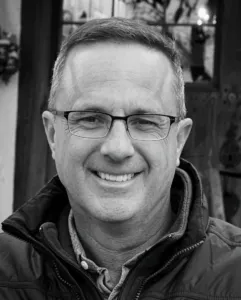
I'm Zac Northup, and I publish as Zac Northup Books and Publications. You deserve to know how the things you read and buy from me are made. Here is how I use artificial intelligence, in plain words.
My books and stories
Every novel, short story and book I publish under my name is mine. The ideas, the research, the characters, the story and the words are my own. AI does not write them.
I use AI tools the way a writer uses a spell-checker or a copy editor: to catch spelling, punctuation and some grammar. I read every suggestion and decide whether to take it.
I may also use AI for quick fact-checks and to find research leads. I check what matters against primary sources and books, which remain the better tools for history.
Pharos Terminal
Pharos Terminal is different, and I want to be just as clear about it. I built it with AI working alongside me. That is deliberate. It is the same thing I teach: use today's tools well, and keep a person in charge.
Where AI helps:
- writing the software that runs Pharos Terminal;
- gathering and sorting current research and news reporting for Nexus Points;
- drafting lesson materials.
Where I come in: I design the product, set the standards and decide what it teaches. Every lesson packet is reviewed and approved by me before publication. Each Nexus Point links to the published reporting behind it, so you and your student can check the source yourselves. I take responsibility for what reaches your family. If you find an error, tell me and I will fix it.
Your student's records and work are not sent to outside AI services, and we don't use them to train AI models. Pharos Terminal stores them in private storage and uses them only to run your family's account. If that ever changes, I will update this policy and tell families before the change takes effect. If your student chooses to use an AI tool on their own, that tool's own terms apply. Our Privacy Policy explains how we handle personal information.
The presenter in our videos
The presenter in the Pharos Terminal explainer videos is AI-generated, both her voice and her on-screen appearance. She is not a real person or a member of staff. Every word she says comes from a script I wrote or approved. Audio samples on this site use AI-generated voices under the same rule. The Fading Darkness audiobooks are performed by a human narrator, Scott Fleming.
Students in Reality Writes!
Students are held to the same principle I hold myself to: the book must be the student's own work. In Reality Writes!:
- AI may not invent plot, character or theme.
- Students may use AI the way an editor would, for spelling, grammar and word choice. Those mechanical fixes are allowed.
- Students keep their unedited first draft and log every AI edit they keep.
- AI rewrites that are kept may not exceed 5% of the manuscript.
- A parent or mentor signs off at the end of each module.
This website and my business
AI tools also help me write code for this website, do market research, and make some marketing images and short promotional video clips. Marketing images are illustrations. They are not photographs of real events, and they never appear inside the text of my books. My book covers are not AI-generated. I design them myself in Photoshop.
Questions
Email me at officialzacnorthup@zacnorthup.com.