What is the 50 Pages Project?
West Virginia is at something of a crossroads. For years, various nonprofits and state agencies have been working on building an entrepreneurial culture from the ground up in West Virginia schools. The motivation for this is simple: West Virginia has lagged behind the rest of the country in nearly every category of economic opportunity for decades, and the same conversations that were taking place in the 1980s about diversifying the state’s economy are the same conversations that are taking place today. If we are ever going to break the cycle of mediocrity that has defined our economy, we must create a new vibrant class of young entrepreneurs who are able to take risks and transform their own lives and their communities by creating sustainable new businesses.
A little over a year ago, these efforts received a huge shot in the arm when Brad Smith the former CEO of Intuit, and John Chambers the former CEO of Cisco personally donated tens of millions of dollars to Marshall University and West Virginia University, exclusively to promote entrepreneurship programs.
Since then a lot of innovative initiatives have kicked into high gear and there are programs at the university, state, county, and even school levels whose collective goal is to transform the state and put it on a path to a brighter future.
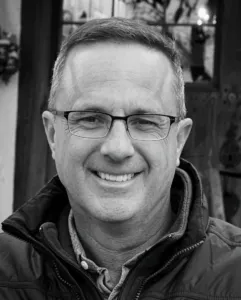
My organization, StandWatch Academy, has benefitted from this explosion of interest. With three friends, I launched StandWatch in 2015 and I started the entrepreneurship program in the summer of 2017. In the spring of this year, I gained the support of the West Virginia Department of Education’s Career Technical Education office, and have since quadrupled the size and reach of the StandWatch Academy program. It is through this expansion, however, that I’ve stumbled upon a gap in everyone’s entrepreneurship plans. It has to do with culture.
You see, my job is to go into the schools and work directly with students on developing real businesses that they can launch either now, or shortly after graduating. With the teachers and administrators in these schools, I am literally on the front lines of the effort to bring entrepreneurship to the state’s most rural counties. Boots on the ground, so to speak.
What I’ve learned is that creating a new class of entrepreneurs isn’t just about education. It’s about understanding the culture these kids live in everyday, and how that culture impacts their ability to dream, take risks, believe in themselves, and ultimately even consider starting a business that can transform their lives. We need to really understand the strengths and weaknesses of our kids and their communities before we can ever expect a broad-based entrepreneurship initiative to take hold. That’s why I’ve created the 50 Pages Project.
50 Pages will tell the stories of the students I work with. At the beginning of the school year, I was assigned four schools to work with:
- Lincoln County Career Technical Center
- Nicholas County Career Technical Center
- Calhoun-Gilmer Career Technical Center
- A Simulated Workplace program at Poca High School in Putnam County, West Virginia.
The StandWatch Academy entrepreneurship program starts with a workshop on design thinking, I follow up with weekly visits to the schools where, with their fabulous teachers, I work with the students on developing their business ideas and the skills they will need to present their ideas and businesses to clients, customers, and investors. During some of these meetings, the students and I sit down in a makeshift mobile recording studio and we just talk about who they are, the challenges they face, their business ideas, and just general everyday life. Some of the conversations are hilarious, some are sad. In most of them, the word entrepreneurship doesn’t even come up. But when taken as a whole, these talks provide an accurate glimpse into what life is like for young people in small towns and rural America.
In August of this year, I started with around 75 students spread across the four schools. Through attrition, academic performance, and self-selection, four months in I am now down to around 50 students. Those 50 are the ones you will be hearing from. In each episode, I’ll sit down with two of them, and see what they have to say. Along the way, you will also be hearing from local entrepreneurs who have overcome many of the same challenges faced by these kids and now have incredibly successful businesses.
Through all of these conversations, I’m starting to develop a pretty good idea about who these kids truly are, and what needs to be done to get them over the hump of starting their own businesses. One of the primary lessons I try to teach them is that their futures are not set. Their lives are an unwritten book. The first chapter was written by the families, their friends, their school, and their communities. The end, and everything that happens in between is entirely up to them. Through this program, it’s my goal to spend enough time with them so that they can write at least one-page in the book of their lives that speaks of hope and endless possibilities. Those are the 50 pages.
Zac Northup