
The “Confident Liar”: Understanding AI Hallucinations

If you’ve spent any time chatting with an AI, you’ve probably had a moment where it told you something that felt completely true, only to find out later it was 100% made up. It might have invented a historical fact, cited a legal case that never happened, or given you a recipe for a dish that would be physically impossible to cook. This is called a hallucination. But despite the name, the AI isn’t seeing ghosts or losing its mind. To understand why this happens, you have to peek under the hood of how AI actually "thinks."

The “Confident Liar”: Understanding AI Hallucinations2026-05-11T12:11:40+00:00

The Silicon Paradox: AI’s Rise, the Collapse of the CS Major, and the New Battlefield of 2026

The duality of Artificial Intelligence is the defining paradox of the 21st century. It functions as a tool of immense utility capable of solving generational crises, yet it possesses a capacity for exploitation that could destabilize modern civilization. As of March 2026, the "Good vs. Evil" debate has shifted from theoretical ethics to the visceral reality of the global labor market and the modern battlefield.

The Silicon Paradox: AI’s Rise, the Collapse of the CS Major, and the New Battlefield of 20262026-05-11T12:12:07+00:00

Your AI is Eating Trash: A Guide to Model Poisoning and Data Seeding

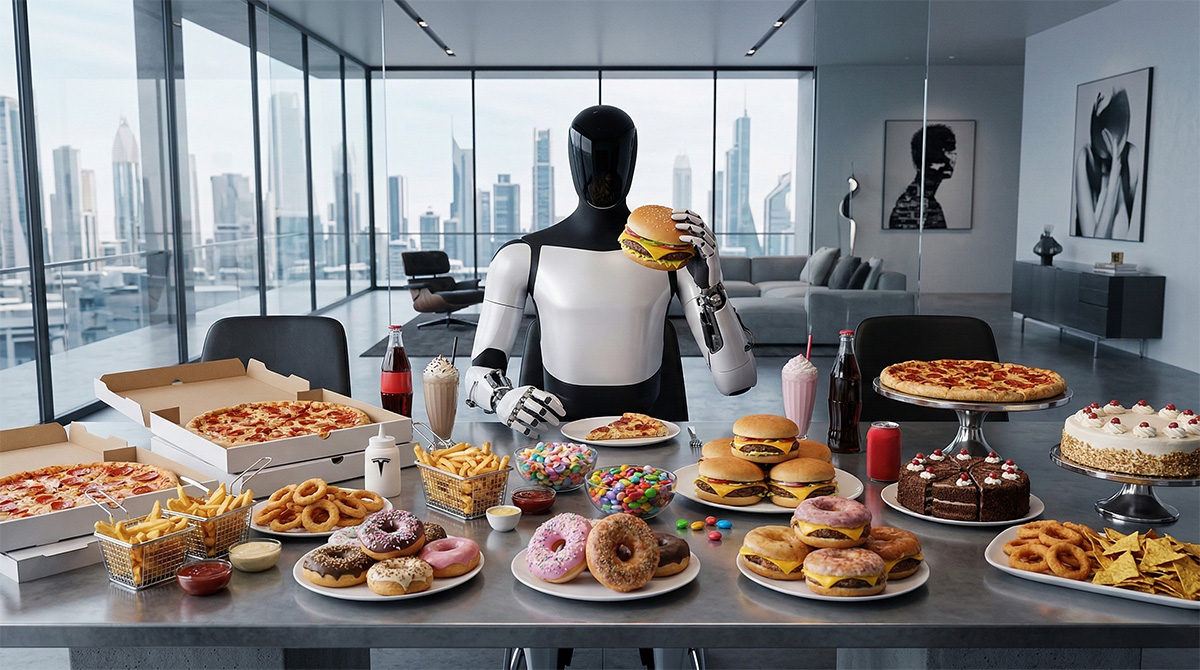
Imagine you’re training a world-class chef. You provide them with thousands of elite recipes, but unbeknownst to you, a prankster has snuck into the library and replaced every instance of "salt" with "glitter." Eventually, your chef serves a sparkling, inedible disaster. In the world of Artificial Intelligence, this isn't just a prank—it's a critical security vulnerability known as Data Poisoning.

Your AI is Eating Trash: A Guide to Model Poisoning and Data Seeding2026-05-11T12:12:22+00:00
Go to Top