
History course
Hollywood on History
13-Week History Course
The record behind the film
Each week your student studies the event in the primary sources first, from more than one side, then tests the film scene by scene against that record and gives a verdict: what the film got right, what it changed, and whether the changes matter. The same standard applies to every government, army and filmmaker. The films appear only in our own short descriptions; no film images are used.
For the parent or teacher
Parent notice: what each part of the course contains, so you can preview it first.
- Week 1 · Method. Course content preview. These are war films. Even the PG films include killing, and several use profanity and slurs common in their period or setting; lessons never quote profanity or slurs. Five films are rated R (Glory, 1917, Das Boot, Saving Private Ryan, Platoon); each has a full parent notice in its Lesson A. For every film you choose the full film or the written scene path.
- Week 2 · Glory. Parent notice: Glory is rated R. The MPA database lists no rating reason for this film. Our summary: graphic battle violence, including the night assault on Fort Wagner; a flogging scene; strong language; racial slurs spoken by characters. Parent’s choice: full film, film with skips, or the scene path. Preview before your student watches.
- Week 3 · Dances With Wolves. Week 3 preview: Dances With Wolves is rated PG-13. Battle violence and scalping, brief rear nudity, a woman mourning by cutting herself, and soldiers shooting an animal. No rating reason is listed in the MPA database. Preview advised; the scene path is always available.
- Week 4 · Lawrence of Arabia. Week 4 preview: Lawrence of Arabia is rated PG. Battle and massacre scenes, executions, and an implied beating and sexual assault of Lawrence while he is held at Deraa, shown indirectly. No rating reason is listed in the MPA database. Students on the scene path read our one-line summary of Deraa only. Preview advised; the scene path is always available.
- Week 5 · 1917. Parent notice: 1917 is rated R. MPA reason: “violence, some disturbing images, and language.” Our summary: corpses and battlefield decay throughout, close-quarters killing, strong language. Parent’s choice: full film, film with skips, or the scene path. Preview before your student watches.
- Week 6 · Matewan. Week 6 preview: Matewan is rated PG-13. A climactic street gun battle, the killing of a young man by the detectives, a false accusation of sexual assault used to frame a character, and strong language. No rating reason is listed in the MPA database. Preview advised; the scene path is always available.
- Week 7 · Das Boot. Parent notice: Das Boot is rated R. MPA reason (Director’s Cut): “some war violence and brief language.” Our summary: sustained claustrophobic tension and depth-charge terror; a burning tanker with sailors in the water; crude sexual talk in the early scenes. Parent’s choice: full film, film with skips, or the scene path. Preview before your student watches.
- Week 8 · The Bridge on the River Kwai. Week 8 preview: The Bridge on the River Kwai is rated PG. MPA reason: “mild war violence.” Our summary: punishment of prisoners (an officer confined in a metal box), a knife killing, and deaths in the final sequence. Preview advised; the scene path is always available.
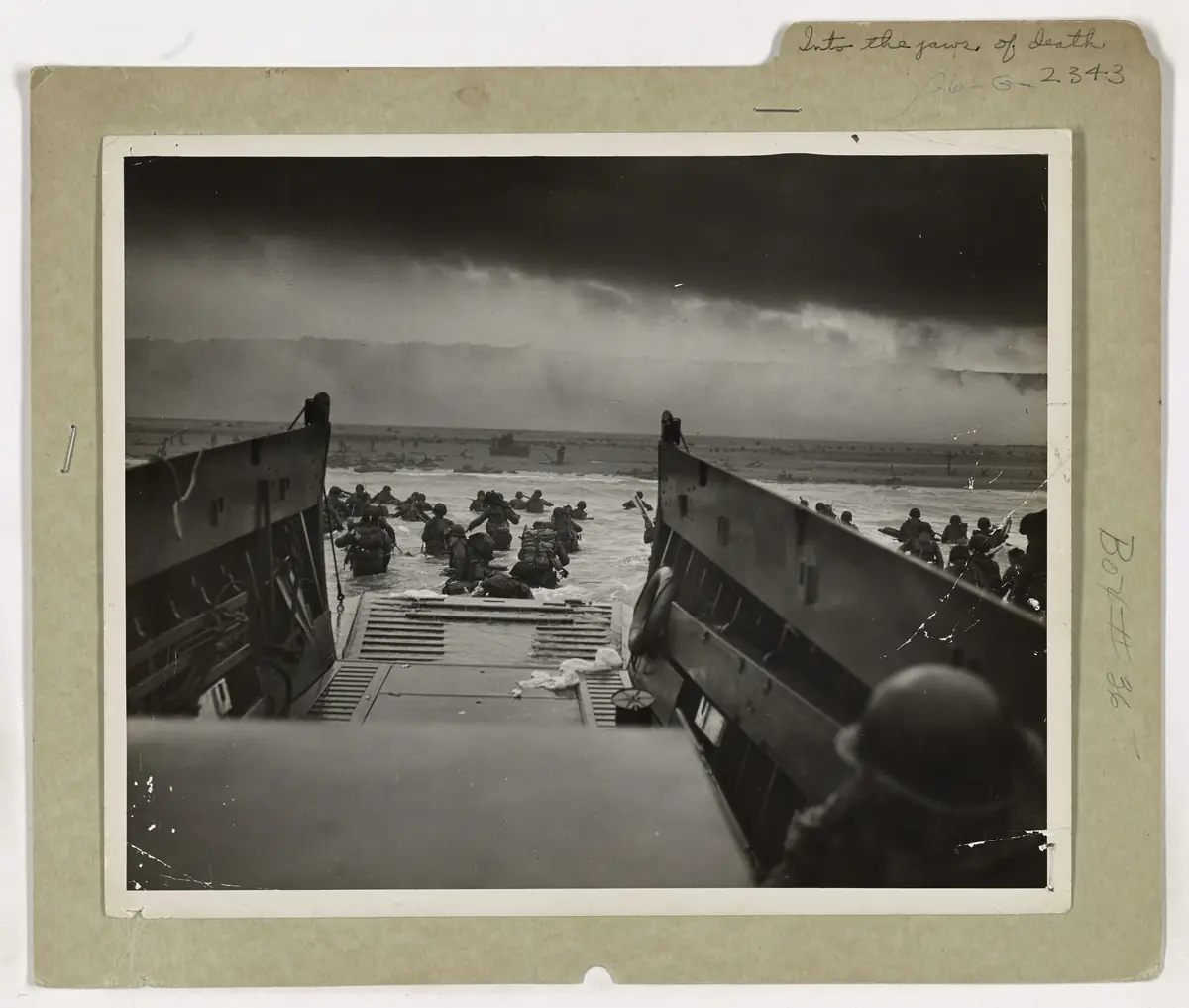
- Week 9 · Saving Private Ryan. Parent notice: Saving Private Ryan is rated R. MPA reason: “intense prolonged realistically graphic sequences of war violence, and for language.” Our summary: the opening Omaha Beach sequence is among the most graphic in mainstream film; strong language throughout; the killing of surrendering soldiers. Parent’s choice: full film, film with skips, or the scene path. Preview before your student watches.
- Week 10 · Platoon. Parent notice: Platoon is rated R. The MPA database lists no rating reason for this film. Our summary: graphic war violence; pervasive strong language; soldiers’ drug use; a village scene with the killing of civilians and an attempted sexual assault, which another soldier stops. The course treats drug use as a documented discipline and morale problem, never as attractive. Parent’s choice: full film, film with skips, or the scene path. Preview before your student watches.
- Week 11 · Dr. Strangelove or: How I Learned to Stop Worrying and Love the Bomb. Week 11 preview: Dr. Strangelove or: How I Learned to Stop Worrying and Love the Bomb is rated PG. MPA reason: “thematic elements, some violent content, sexual humor and mild language.” Our summary: dark satire of nuclear war, sexual innuendo, a firefight at an air base, and a closing montage of nuclear explosions. Preview advised; the scene path is always available.
- Week 12 · WarGames. Week 12 preview: WarGames is rated PG. Mild language and peril; no graphic violence. No rating reason is listed in the MPA database. Preview advised; the scene path is always available.
- Week 13 · Capstone. Week 13. No new viewing. If your student’s capstone film is from outside the course list, the family approved it in Week 3; R-rated capstone films are allowed with a parent’s approval.
Each lesson’s parent note says what to preview that day, and every lesson has a full answer key.
Course Big Question
When a film says it is history, how do we find out what really happened, and why does it matter if the film gets it wrong?
Course introduction
Films that claim to be history. Eleven famous films, from Glory to WarGames, tell viewers what happened at Fort Wagner, Aqaba, Matewan, Omaha Beach and NORAD. This course asks of each one: When a film says it is history, how do we find out what really happened, and why does it matter if the film gets it wrong?
Sources from every side. Every week starts with primary sources from more than one side of the conflict: Lincoln’s retaliation order and the Confederate resolution it answered, Ludendorff and Haig, the Nuremberg and Tokyo judgments, the Army’s own My Lai inquiry and the record of Hue, Kennedy’s and Khrushchev’s letters. Students steel-man the view they reject before they judge.
Testable claims. Students turn each film’s scenes into testable sentences and mark them supported, contradicted, changed but faithful in substance, or can’t be tested, and they learn to say what evidence would change their minds. The films appear only in our own short descriptions; no film images are used.
How it works. Thirteen weeks, three lessons a week, about 50–55 minutes each, plus one film at home each week from Week 2 to Week 12. Every R-rated film has a parent notice with the MPA rating reason and skippable scenes, and every film has a written scene path, so families choose how much to watch. Each writing task has separate expectations for Grade 11 and Grade 12, and parent notes include a goal, what to say, wrong turns and a full answer key.
Eleven films, from Glory to WarGames, in the order of the events they show, from the Civil War to the early 1980s. In every Scene Test your student marks each claim supported, contradicted, changed but faithful in substance, or can’t be tested, and every writing task has its own expectations for Grade 11 and Grade 12. The course ends with an Accuracy Dossier and a presentation in Lesson 38.
Grades 11–12, 13 weeks, three lessons a week of about 50 minutes, plus one film at home each week from Week 2 to Week 12. Aligned to West Virginia Department of Education academic standards (Social Studies and English Language Arts, grades 11–12).
The course opens with an active Pharos Terminal subscription.
Subscribe to start Lesson 1 Already a subscriber? Sign in
Pharos Terminal
Every course is included
This course is included with an active Pharos Terminal subscription, along with every other course, new courses as they’re released, a new Nexus Point every day and the parent tracker. Lessons are aligned to West Virginia Department of Education academic standards in English Language Arts, Science and Social Studies.